


Varicose Veins Treatment – Diagnosis, Surgery & Recovery
Do you have painful, swollen, or bulging veins in your legs? These may be signs of varicose veins, a common vascular condition that requires timely care. Consult experienced vascular surgeons at LifeCare for advanced and minimally invasive treatment options.
Using modern laser technology and other effective surgical techniques, we aim to treat varicose veins safely, reduce discomfort, and provide long-lasting relief with faster recovery.
Book Appointments With Our Expert Doctors Near You
Make an Appointment
Booking an appointment with our healthcare professionals
What are varicose veins?
Varicose veins are enlarged, twisted, and swollen veins that usually appear on the legs or feet, just beneath the skin. They occur when the valves in the veins become weak or damaged, causing blood to flow backward and pool, making the veins appear blue or dark purple.
In the early stages, they may appear as spider veins or cause mild symptoms like leg pain, while some people may not notice any symptoms at all. Varicose veins are commonly caused by venous insufficiency and can progress over time if left untreated.
Stages of varicose veins include:
- Stage 1: Spider veins (web-like small veins)
- Stage 2: Bulging, rope-like varicose veins
- Stage 3: Leg swelling (edema) and cramps
- Stage 4: Skin discoloration and thinning
- Stage 5: Painful leg ulcers
Although often ignored, varicose veins can lead to serious complications if untreated. Seeking timely consultation with a vascular specialist is important for proper management and prevention of progression.
USFDA-Approved Procedure
Support in Insurance Claim
No-Cost EMI
1-day Hospitalization
How are varicose veins diagnosed?
Varicose veins are usually diagnosed through a physical examination and a few simple tests:
- Physical Examination: The vascular surgeon examines your legs, often while you are standing, to check for swelling, bulging veins, and signs of blood pooling.
- Medical History: You may be asked about your symptoms, when they worsen, and your personal or family history to assess risk factors.
- Doppler Ultrasound: This is the most common diagnostic test. It uses sound waves to evaluate blood flow and identify malfunctioning veins and their severity.
- Additional Tests: In some cases, imaging tests such as CT scan, MRI, or venography may be recommended if further evaluation is needed.
These steps help confirm the diagnosis and guide the most appropriate treatment plan.
Consult Our Best Doctor
Elevate your healthcare experience with seamless online booking. Connect with top-tier doctors, transparent profiles, and flexible scheduling for optimal well-being. Your health, our priority!
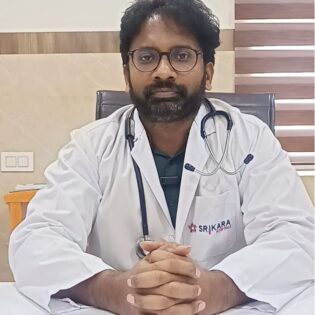
Dr. Vamsavardhan P
MBBS, MS, FIAGES, EFIAGES, FALS
Consultant Gastro, Laser, Laparoscopic & General Surgeon
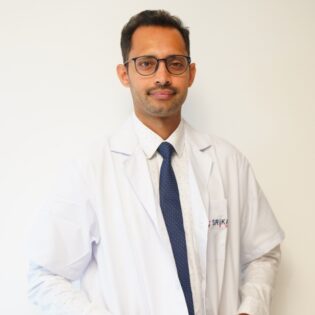
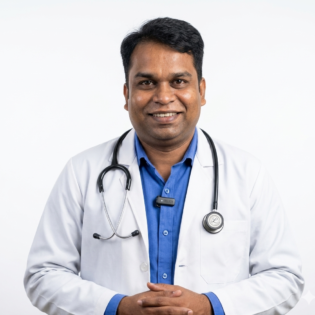
Dr.B.V.Gurunadh Sarma
M.B;B.S; D.N.B. (Puttaparthy) F.I.P.O. (RGUHS) Robotic Joint Replacement Surgeon, Paediatric Orthopaedic Surgeon, Arthroscopic & Trauma Surgeon
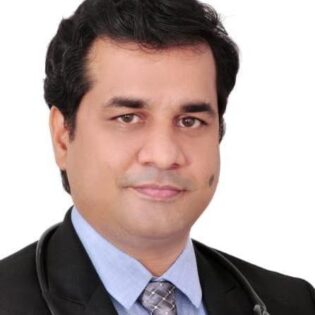
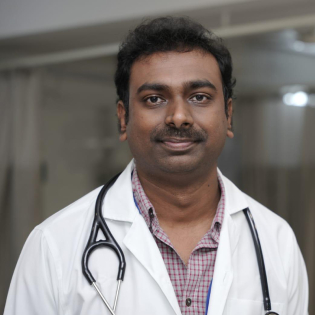
Dr Kattamudi Harish
M.S (Ortho) , FIJR , FIAS Senior Consultant Robotic Joint Replacement , Arthroscopy and Trauma Surgeon

Why SurgicareHub?
Delivering Seamless Surgical Experience in India
A dedicated Care Coordinator assists you throughout the surgery journey from insurance paperwork, to free commute from home to hospital & back and admission-discharge process at the hospital.
Get Your Answer
You should consult a vascular doctor if you notice any of the following symptoms:
- Persistent pain or discomfort in the legs that affects daily activities
- Swelling, redness, or inflammation around the veins
- Skin changes such as discoloration, thickening, or ulcers
- Bleeding from a varicose vein
- A tender or painful lump near the vein
- Symptoms that worsen over time or impact your quality of life
Seeking timely medical advice can help prevent complications and ensure proper treatment.
If left untreated, varicose veins can lead to several complications, including:
- Chronic pain and discomfort
- Swelling and edema in the legs
- Skin changes and discoloration
- Formation of blood clots (such as superficial thrombophlebitis or deep vein thrombosis)
- Increased risk of skin infections or ulcers
- Rarely, excessive bleeding from a ruptured vein
Early treatment can help prevent these complications and improve overall leg health.
You should consult a vascular specialist, such as a vascular surgeon or phlebologist. These doctors specialize in diagnosing and treating conditions related to blood vessels, including varicose veins.
Get in Touch ?
Tell us about your problems and we'll figure out the best treatment option for you.
Address
Contacts:
Working hours:
Make an Appointment
Booking an appointment with our healthcare professionals