



ACL Tear Surgery – Diagnosis & Recovery
An anterior cruciate ligament (ACL) tear is a common injury, especially among individuals who lead an active lifestyle or participate in sports. Since the ACL cannot heal on its own, timely treatment is essential to regain stability and normal knee function. If you’re seeking reliable and effective ACL reconstruction, connect with SurgiKure today for expert care and a smooth recovery journey.
Book Appointments With Our Expert Doctors Near You
Make an Appointment
Booking an appointment with our healthcare professionals
What Is an ACL Tear?
An anterior cruciate ligament (ACL) tear is an injury to the ACL, a key ligament located inside the knee joint that helps stabilize the knee. ACL tears commonly occur in individuals engaged in sports or activities involving sudden stops, jumps, or changes in direction, such as football, basketball, or soccer. Many people experience a popping sound or sensation in the knee at the time of injury.
The treatment for an ACL tear depends on its severity. Severe tears typically do not heal on their own and require prompt medical intervention to relieve pain and restore knee stability. Mild tears, on the other hand, may be managed with rest, physical therapy, and targeted rehabilitation exercises to regain strength and function.
USFDA-Approved Procedure
Support in Insurance Claim
No-Cost EMI
1-day Hospitalization
How is an ACL Injury Diagnosed?
To diagnose an ACL injury, the doctor begins with a physical examination of the knee to check for swelling, tenderness, and stability. The knee is gently moved in different directions to evaluate its range of motion and overall function.
To confirm the diagnosis and assess the severity of the injury, the doctor may recommend imaging tests, such as:
- X-rays: These help rule out bone fractures, although they do not show soft tissues like ligaments or tendons.
- MRI (Magnetic Resonance Imaging): This scan uses radio waves and a strong magnetic field to create detailed images of both hard and soft tissues. It can clearly show the extent of the ACL tear and detect damage to cartilage or other structures in the knee.
- Ultrasound: This test uses sound waves to visualize internal structures and may help identify injuries in ligaments, tendons, and surrounding knee muscles.
Consult Our Best Doctor
Elevate your healthcare experience with seamless online booking. Connect with top-tier doctors, transparent profiles, and flexible scheduling for optimal well-being. Your health, our priority!
Dr. Vamsavardhan P
MBBS, MS, FIAGES, EFIAGES, FALS
Consultant Gastro, Laser, Laparoscopic & General Surgeon
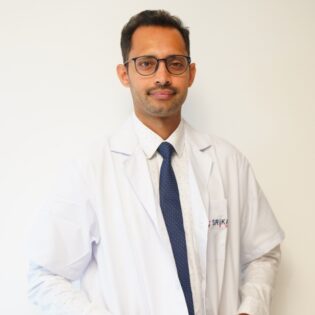



Dr.B.V.Gurunadh Sarma
M.B;B.S; D.N.B. (Puttaparthy) F.I.P.O. (RGUHS) Robotic Joint Replacement Surgeon, Paediatric Orthopaedic Surgeon, Arthroscopic & Trauma Surgeon

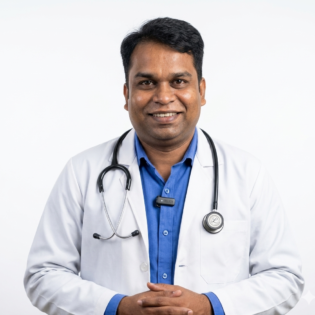
Dr Kattamudi Harish
M.S (Ortho) , FIJR , FIAS Senior Consultant Robotic Joint Replacement , Arthroscopy and Trauma Surgeon

Why SurgicareHub?
Delivering Seamless Surgical Experience in India
A dedicated Care Coordinator assists you throughout the surgery journey from insurance paperwork, to free commute from home to hospital & back and admission-discharge process at the hospital.
Get Your Answer
The most commonly used graft choices include:
- Patellar Tendon Autograft: Uses tissue from the patient’s own patellar tendon.
- Hamstring Autograft: Uses tendons taken from the patient’s hamstring muscles.
- Allograft: Uses donor tissue from another person to reconstruct the ACL.
The need for ACL surgery depends on the severity of the injury. Partial tears can often be managed with physiotherapy, including stretching and strengthening exercises. However, surgery is usually recommended for active individuals or athletes who want to return to sports. If left untreated, an unstable knee can increase the risk of further damage and may lead to arthritis over time. Using a knee brace and continuing strengthening exercises can help support the joint and improve stability.
Swimming is generally recommended after ACL surgery as it helps strengthen the muscles that support the knee, including the quadriceps and hamstrings. However, activities like swimming with leg movements and running should usually be avoided for the first 4–5 months after surgery. With your doctor’s approval, you may begin light swimming using only your arms (without kicking) around 2–3 months after the procedure. Always follow your surgeon’s guidance for a safe recovery.
After ACL surgery, it is recommended to sleep with your leg elevated but kept straight, not bent. Place a pillow under your foot or calf to keep the leg raised. Keeping your leg elevated as much as possible during the first few days helps reduce swelling and promotes faster healing. Always follow your doctor’s specific advice for the best recovery.
After ACL surgery, it’s important to avoid certain activities to ensure proper healing, including:
- Avoid swimming for at least 1–2 months, or until your doctor permits.
- Do not use heating pads on the affected area, as they may increase swelling.
- Avoid strenuous physical activities that can strain the knee and delay recovery.
Most healthcare providers suggest waiting at least 3 months before returning to running after ACL surgery. However, recovery varies from person to person, and in some cases, 3 months may not be enough for the ACL graft to heal fully and handle the impact of running. It’s important to follow your doctor’s advice and resume running only when your knee is strong and stable enough.
Yes, minor ACL injuries can often be managed without surgery. Treatment may include using a knee brace and undergoing physical therapy to strengthen the muscles around the knee. In some cases, applying ice for a few days can help reduce pain and swelling. However, proper medical evaluation is important to determine the best treatment approach.
Most patients can start walking with support within 1–2 days after ACL surgery. In many cases, people are able to walk without a brace or crutches within about 2 weeks, depending on their recovery progress and the doctor’s advice.
Complete recovery after ACL surgery usually takes about 6 to 9 months, especially for patients who want to return to sports. Most patients can begin walking with the help of crutches and a leg brace on the same day as the surgery. Doctors typically recommend starting a structured rehabilitation program soon after surgery to restore strength, stability, and range of motion in the knee.
The need for ACL surgery depends on the severity of the injury. In severe cases, surgery is often required to restore knee stability and relieve symptoms. However, partial ACL tears can usually be managed effectively with non-surgical treatments such as physiotherapy and strengthening exercises.
Yes, gentle knee bending can usually begin as early as one day after ACL surgery. However, it is important to keep the knee fully straight immediately after the procedure to allow proper healing and avoid putting stress on the newly repaired ligament. Always follow your doctor’s guidance for safe movement and recovery.
During ACL surgery, the damaged ligament is removed and replaced with a new graft. This graft is used to reconstruct the ACL and restore knee stability. The graft may be taken from the patient’s own body (autograft) or from a donor (allograft).
It is generally recommended to wait up to 9 months after ACL surgery before returning to sports, as this allows sufficient time for complete healing and recovery. However, the exact timeline may vary, and some individuals may be able to resume sports within this period based on their progress and their doctor’s advice.
Get in Touch ?
Tell us about your problems and we'll figure out the best treatment option for you.
Address
Contacts:
Working hours:
Make an Appointment
Booking an appointment with our healthcare professionals